AAMI ST108 Water Management Plans for ASCs

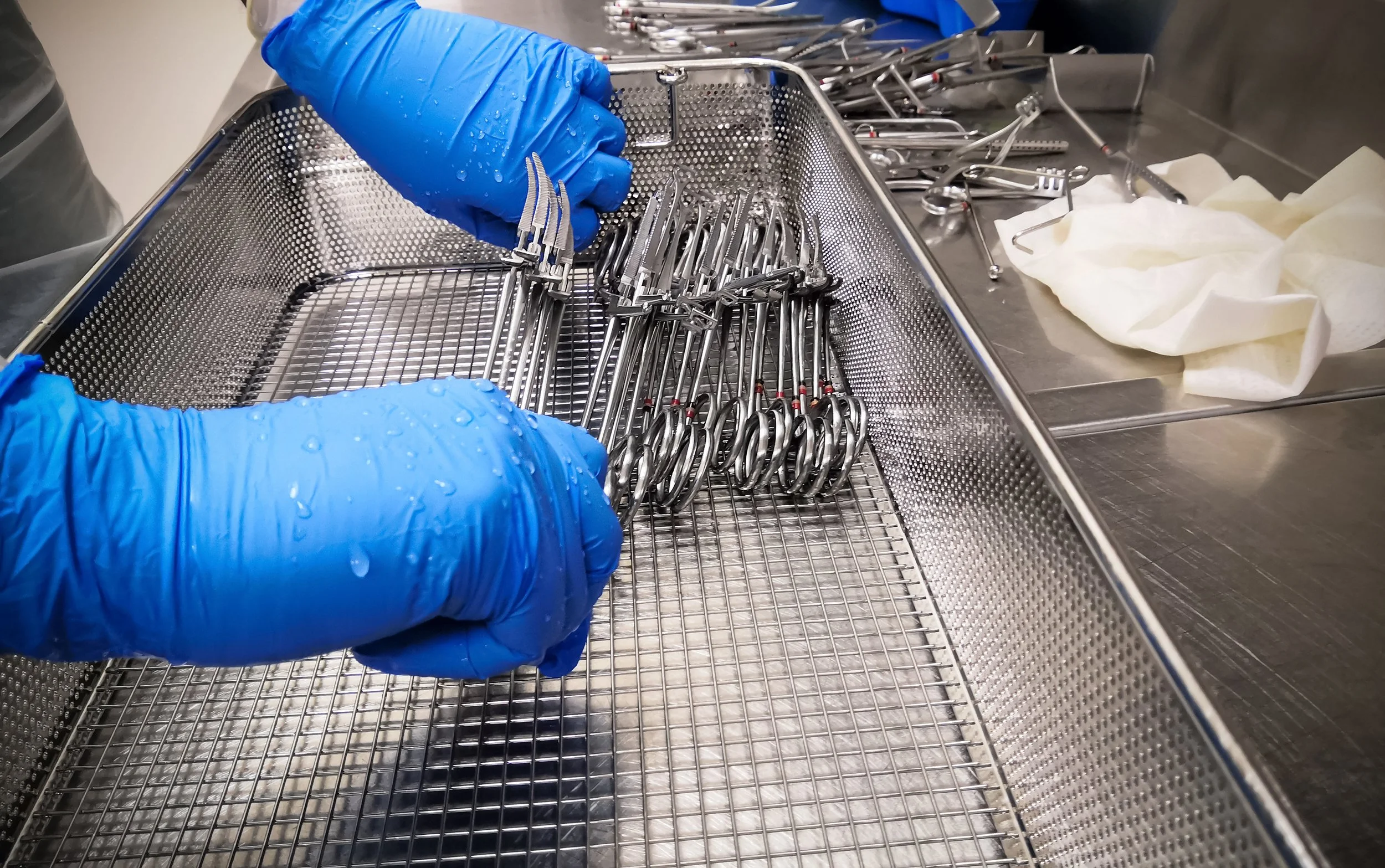
Gloved sterile processing technician handling surgical instruments during reprocessing — water quality management under AAMI ST108

By Phenelle Segal, RN, CIC, FAPIC, Founder, Infection Control Consulting Services

ANSI/AAMI ST108:2023 represents the current nationally recognized consensus standard for water used in medical device processing — and ambulatory surgery centers that have not yet developed a formal water management plan are carrying real compliance risk. I have been working with ASC clients on sterile processing and infection prevention for over 40 years, and for the past two-plus years, AAMI ST108 and the need for a comprehensive water management plan has been a consistent part of that conversation. What I am seeing is a growing number of surgery centers recognizing that this is no longer something they can defer.

What Changed with ST108

ST108 replaced AAMI TIR34 — a technical information report that offered useful guidance but carried no formal enforcement weight. ST108 is different: a ratified ANSI standard that accreditation bodies are already treating as a benchmark during surveys.

For Joint Commission-accredited organizations, water quality management may be addressed within the facility's broader water management program under Environment of Care standard EC.02.05.02. ST108 provides detailed guidance for the medical-device-processing portion of that program. Many AAAHC-accredited centers are evaluating ST108 as part of their water quality and reprocessing programs. Surveyors are increasingly asking organizations for their plans to demonstrate how water quality risks are assessed and managed.

There is no single hard compliance deadline, which some ASC administrators interpret as permission to wait. I would caution against that.

While CMS and accrediting organizations do not specifically mandate compliance with ANSI/AAMI ST108, facilities should be prepared to demonstrate that their approach to water quality management is based on nationally recognized guidance, accepted standards of practice, IFUs, and a documented risk assessment. Awareness of ST108 among surveyors and accrediting organizations continues to grow, and surveyors are increasingly referencing it during surveys — making now the right time to get a program in place.

What We Are Seeing with ASC Clients

When ST108 was published in 2023, I began proactively reaching out to my ASC clients to make sure they understood what it required and what it meant for their facilities. Most were aware of the standard but not yet treating it as urgent. Over the past year, surgery centers have been coming to us specifically to develop water management plans, and that work is now active with our centers across the country.

What the development process consistently surfaces is that most ASCs are managing their reprocessing water through a combination of vendor relationships, equipment maintenance schedules, and informal practices. Unfortunately, they often fall short of what ST108 requires: a formal, risk-based program with defined water quality classifications, documented monitoring, corrective action protocols, assigned responsibilities across the interdisciplinary team — infection prevention, sterile processing, facilities and engineering, and leadership — and a structured review cycle. Most facilities have pieces of this. Getting to a coherent, defensible whole is a different undertaking.

This work sits squarely in infection prevention, not just facilities management. Infection prevention plays an important role in program oversight, risk assessment, and ongoing review as part of the multidisciplinary team. Water quality failures — residue or contamination on reprocessed instruments, compromised sterilization, equipment damage from mineral deposits or biofilm — are infection prevention consequences. That is the lens through which this program has to be built and maintained, and it is where ICCS brings specific expertise that a water treatment vendor alone cannot.

What a Water Management Plan Covers

The programs ICCS develops for ambulatory surgery centers are facility-specific and built around the full scope of water used in medical device reprocessing: manual cleaning, automated washer-disinfectors, ultrasonic cleaning, endoscope reprocessing, final rinsing, and sterilizer steam generation where applicable. ST108 takes a risk-based approach, which means the program reflects the actual complexity of your facility's water systems and workflows, not a generic framework.

The plan defines water quality classifications — utility water, critical water, and steam — with requirements aligned to each stage of processing and to device manufacturer instructions for use (IFUs). It assigns cross-functional responsibilities. It establishes a monitoring and verification structure, with defined sampling locations and frequencies based on risk assessment. It includes corrective action protocols for when results fall outside acceptable parameters, preventive maintenance requirements for water treatment systems, and staff training and competency documentation. The program is reviewed at minimum annually and updated whenever there are significant system changes or water quality incidents.

How ICCS Can Help

Water management plan development under ST108 is a direct extension of ICCS's infection prevention work with ASCs. It requires understanding ASC operations, reprocessing workflows, device-specific requirements, and the accreditation environment your facility operates in. That is the foundation we bring to every engagement.

The programs we develop meet the requirements of ST108 and the water management expectations of The Joint Commission, CMS, AAAHC, other accreditation organizations, and applicable state regulations. We are actively doing this work with surgery centers nationally, and that current, hands-on experience informs everything we develop.

If your ASC does not yet have an ST108-compliant water management plan — or if you are not confident your current documentation holds up — reach out to ICCS before your next accreditation survey, not after.

Ready to develop an AAMI ST108 water management plan for your surgery center? Contact ICCS.

What 40+ Years in Infection Prevention Has Taught Me

Modern, well-lit hospital corridor with patient room doors and reflective wood flooring.

By Phenelle Segal, RN, CIC, FAPIC, Founder, Infection Control Consulting Services

After more than 40 years in infection prevention and control, I can still point to the moment I knew this would be my life's work.

I had been working as a nurse in the ICU when I transferred into the infection control department, and the shift in perspective was immediate. Rounding through the facility, I began to see the needs of patients, staff, and visitors in a way I never had before. I was talking with people across nearly every discipline — nursing, environmental services, sterile processing, administration — learning what worked, what didn't, and sharing what I was learning as I went. Those conversations were the most exhilarating part of my day, and something about them resonated deep within me. I knew I had found my calling.

That feeling has stayed with me through more than four decades, even as the field itself has changed almost beyond recognition.

“Policies and procedures matter enormously, but they only work when the people carrying them out believe in them.”

The lesson that surprised me most

For most of my career, I operated under the assumption that policy, regulations, guidelines, standards, and the law were the foundation of infection prevention — that if those pieces were in place, the program would hold.

What I've come to understand is that the success of a program depends just as much on human behavior, culture, communication, and consistency. The most effective programs are the ones where people understand the why behind the practices and are committed to doing the right thing every day. Policies and procedures matter enormously, but they only work when the people carrying them out believe in them.

A defining moment: Act 52

There are many moments from my career I've never forgotten, but one stands above the rest.

Within two years of founding Infection Control Consulting Services, I was offered a newly created position with the Pennsylvania Patient Safety Authority as its lead infection prevention analyst. The assignment was enormous: developing and implementing Act 52 of 2007, legislation signed by the governor that mandated healthcare-associated infection reporting across roughly 1,250 hospitals and nursing homes throughout the Commonwealth.

The program was groundbreaking. None of us had a roadmap to follow, and with that came a great deal of pressure, and, at times, more scrutiny and second-guessing than the work itself required. I came to recognize that the accountability wasn't the problem. The "unnecessary noise" was the constant questioning that surfaces when people are operating under stress, with no precedent to point to. I learned to set that aside, stay focused on the mission, trust my own expertise, and keep the work moving forward.

With long hours, a willingness to keep learning, and the support of my family and colleagues, I got through it. It remains one of the most meaningful experiences of my professional life, and one of the clearest examples I can point to of what it means to build something where nothing existed before.

Quiet doesn't mean it's working

If I had to name the single most common misconception I've encountered walking into facilities over the years, it's this: The assumption that if there have been no reported infections or adverse events, the infection prevention program must be working well.

In reality, gaps in process, documentation, staff training, or equipment reprocessing can exist for years without being recognized. That's not because anyone is negligent, but because no one has gone looking. The organizations that achieve the strongest outcomes are the ones that continually evaluate their own practices, encourage staff to speak up, and treat infection prevention as an ongoing commitment rather than a compliance exercise to revisit once a year.

Leadership sets the tone

In my experience, infection prevention succeeds or fails based on how well it's embedded into the daily operations, priorities, and culture of an organization. Leadership support — staffing, accountability, training, and a genuine culture of safety — produces effective outcomes for patients and staff alike. Facility leaders don't need to be infection prevention experts themselves, but they do need to know when their program needs more support, when policies are due for review, and when an outside perspective can help identify gaps before a surveyor does.

What I'd tell every healthcare leader

If I could leave every healthcare leader with one message, it would be this: Don't wait for a survey, outbreak, complaint, or citation to take a close look at your infection prevention program. Look at it now.

Ask whether your policies reflect current standards. Ask whether staff understand what's expected of them, and whether daily practice actually matches what's written down. Ask whether the person responsible for infection prevention at your facility has the time, training, and support they need.

After more than 40 years in this field, I still believe most facilities want to do the right thing. The work is making sure the right systems, education, and accountability are in place so that good intentions become consistent practice. That's where the real improvement happens, and why this work still matters to me, and will continue to matter to me, every day.

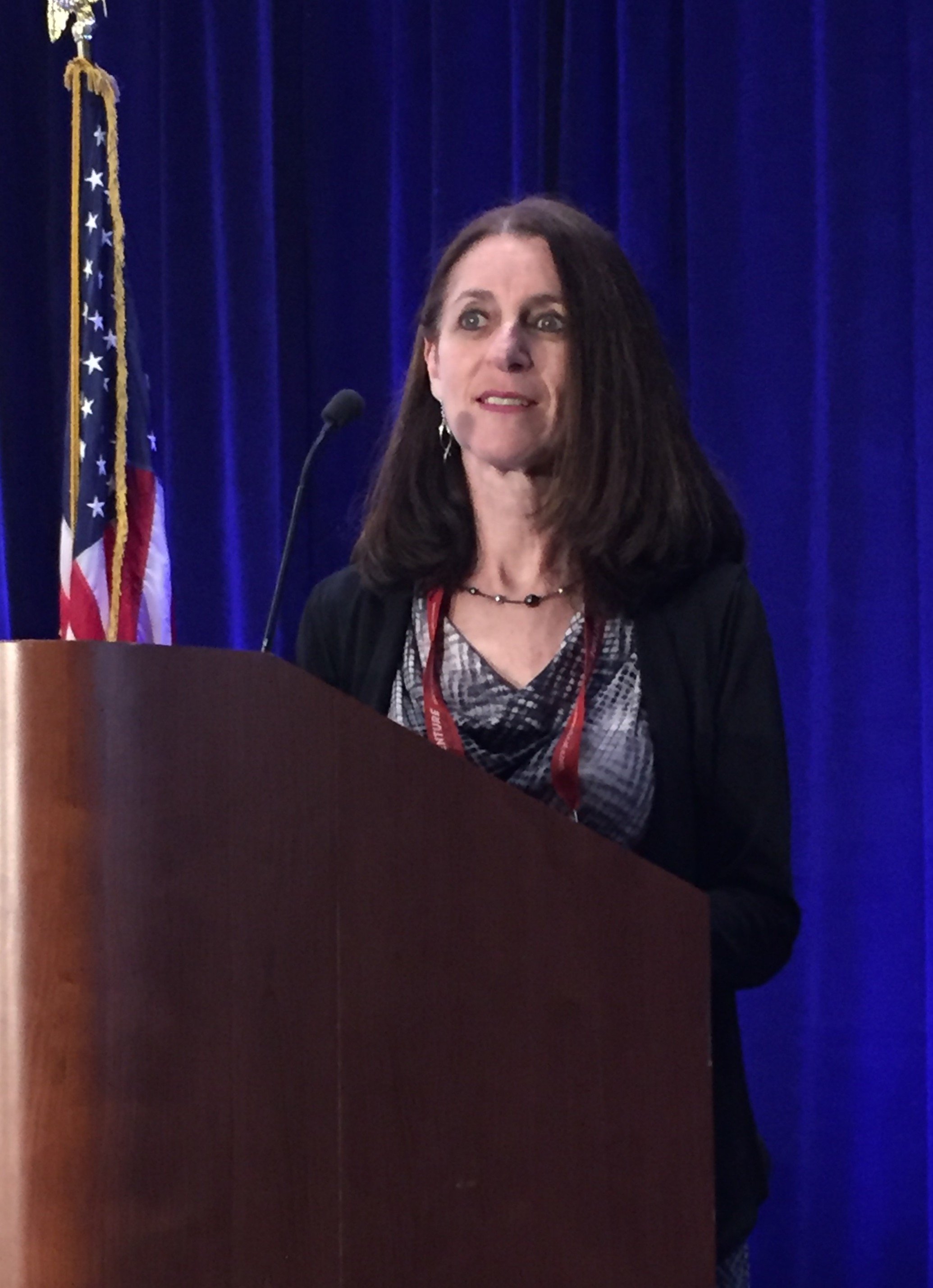
Phenelle Segal, RN, CIC, FAPIC, founder of Infection Control Consulting Services, presenting to the Ohio Association of Ambulatory Surgery Centers in 2018.

About Phenelle Segal

Phenelle Segal, RN, CIC, FAPIC, is the founder of Infection Control Consulting Services, where she has spent more than 40 years helping hospitals, ambulatory surgery centers, and long-term care facilities build infection prevention programs that hold up under real-world conditions. She previously served as the lead infection prevention analyst for the Pennsylvania Patient Safety Authority, where she helped develop and implement Act 52 of 2007.

AAAHC's 2026 Quality Roadmap: Infection Prevention Gaps Persist Across Ambulatory Care

Key Takeaways

  • AAAHC's 2026 Quality Roadmap analyzes accreditation survey results from January 1 through December 31, 2025, across ambulatory surgery centers, office-based surgery centers, primary care organizations, and Medicare Deemed Status facilities.

  • Infection prevention and control (IPC) continues to be one of the most frequently cited deficiency categories in both surgical/procedural and primary care settings.

  • The most common IPC findings centered on sterilization and reprocessing practices for instruments and equipment, and on the scope and documentation of written infection prevention programs.

  • Infection control practices were also among the leading causes of Immediate Jeopardy citations over the past year.

  • The findings point to a consistent pattern: written policies exist, but the oversight, surveillance, and follow-through behind them often don't.

The Accreditation Association for Ambulatory Health Care (AAAHC) has released its 2026 Quality Roadmap, an analysis of onsite accreditation survey results from January 1 through December 31, 2025. This year's report is the first to combine data collected under both the v43.1 and v44 Accreditation Handbooks, with all findings mapped to the current v44 framework for consistent comparison.

The report covers ambulatory surgery centers, office-based surgery centers, primary care organizations, and Medicare Deemed Status facilities, and highlights the standards surveyors cite most often across each. Infection prevention and control continues to be one of those categories, in both surgical/procedural and primary care settings.

Where Infection Prevention and Control Fell Short

Surgical and Procedural Organizations

For ambulatory surgery centers (ASCs) and office-based surgery centers, the IPC findings cited most often involved sterilization and reprocessing — cleaning, decontamination, high-level disinfection, and sterilization of instruments, equipment, supplies, and implants — along with the scope and content of the written infection prevention and control program itself. Surveyors also frequently noted gaps in safeguards meant to prevent cross-infection within the surgical environment.

A common thread ran through these findings: written programs that were incomplete, outdated, or missing defined oversight; surveillance activities that weren't catching environmental or process risks; and sterilization records — logs, biological indicators, equipment parameters — that were inconsistent or absent. In a number of cases, the same deficiencies had been identified in a prior survey and hadn't been resolved.

Primary Care Organizations

In primary care settings, IPC was one of the most frequently cited categories overall. As with surgical/procedural organizations, sterilization and reprocessing practices and sharps injury prevention programs were among the most common findings, alongside gaps in the scope of written infection prevention programs and, in some cases, the absence of a designated, qualified professional to direct the program.

AAAHC notes that primary care settings face their own set of challenges: leaner staffing, less access to infection-prevention-trained personnel, and a tendency to treat infection control as a lower priority than it would be in a surgical setting.

Infection Control and Immediate Jeopardy

The report's Immediate Jeopardy section is where these gaps carry the most weight. Infection control practices were among the leading causes of Immediate Jeopardy citations issued over the past year, behind only crash cart readiness issues.

These findings centered on instruments cleaned, disinfected, or sterilized without following manufacturer instructions; sterilization monitoring programs that weren't catching or acting on failed results; lapses in aseptic technique; and unsafe injection practices, including single-dose vials used across multiple patients.

What The AAAHC Data Shows

Across both settings, the pattern looks similar. Most organizations have some version of an infection prevention policy in place. What's frequently missing is the program behind it — the oversight, training, surveillance, and documented follow-through that turn a policy into a working safeguard.

None of the standards cited most often are unusual or obscure. They're foundational requirements that, followed consistently, prevent the exact kinds of events that show up in the Immediate Jeopardy data. That's part of what makes this year's Roadmap useful: it gives infection prevention and control professionals a current benchmark against which to compare their own survey history and self-assessments, and a starting point for where quality improvement efforts might be best focused.

Where to Go From Here

If your organization's last survey turned up findings in any of the areas covered here — a written IPC program that needs an update, sterilization and reprocessing practices that don't fully line up with manufacturer instructions, or a sharps injury prevention program that hasn't been reviewed in a while — these are the areas ICCS works with ambulatory organizations on every day. Our team can review your current IPC program against the current Standards, identify gaps ahead of your next survey, and help build out the documentation and training to support it.

Contact ICCS to talk through where your program stands.

Note: For the full breakdown — including specific deficiency rates by category and standard, plus findings across Administration, Medication Management, Credentialing & Privileging, Emergency Management, and Facilities and Equipment — the 2026 AAAHC Quality Roadmap is available directly from AAAHC's Quality Institute.