

By Phenelle Segal, RN, CIC, FAPIC, Founder, Infection Control Consulting Services
After more than 40 years in infection prevention and control, I can still point to the moment I knew this would be my life's work.
I had been working as a nurse in the ICU when I transferred into the infection control department, and the shift in perspective was immediate. Rounding through the facility, I began to see the needs of patients, staff, and visitors in a way I never had before. I was talking with people across nearly every discipline — nursing, environmental services, sterile processing, administration — learning what worked, what didn't, and sharing what I was learning as I went. Those conversations were the most exhilarating part of my day, and something about them resonated deep within me. I knew I had found my calling.
That feeling has stayed with me through more than four decades, even as the field itself has changed almost beyond recognition.
“Policies and procedures matter enormously, but they only work when the people carrying them out believe in them.”
The lesson that surprised me most
For most of my career, I operated under the assumption that policy, regulations, guidelines, standards, and the law were the foundation of infection prevention — that if those pieces were in place, the program would hold.
What I've come to understand is that the success of a program depends just as much on human behavior, culture, communication, and consistency. The most effective programs are the ones where people understand the why behind the practices and are committed to doing the right thing every day. Policies and procedures matter enormously, but they only work when the people carrying them out believe in them.
A defining moment: Act 52
There are many moments from my career I've never forgotten, but one stands above the rest.
Within two years of founding Infection Control Consulting Services, I was offered a newly created position with the Pennsylvania Patient Safety Authority as its lead infection prevention analyst. The assignment was enormous: developing and implementing Act 52 of 2007, legislation signed by the governor that mandated healthcare-associated infection reporting across roughly 1,250 hospitals and nursing homes throughout the Commonwealth.
The program was groundbreaking. None of us had a roadmap to follow, and with that came a great deal of pressure, and, at times, more scrutiny and second-guessing than the work itself required. I came to recognize that the accountability wasn't the problem. The "unnecessary noise" was the constant questioning that surfaces when people are operating under stress, with no precedent to point to. I learned to set that aside, stay focused on the mission, trust my own expertise, and keep the work moving forward.
With long hours, a willingness to keep learning, and the support of my family and colleagues, I got through it. It remains one of the most meaningful experiences of my professional life, and one of the clearest examples I can point to of what it means to build something where nothing existed before.
Quiet doesn't mean it's working
If I had to name the single most common misconception I've encountered walking into facilities over the years, it's this: The assumption that if there have been no reported infections or adverse events, the infection prevention program must be working well.
In reality, gaps in process, documentation, staff training, or equipment reprocessing can exist for years without being recognized. That's not because anyone is negligent, but because no one has gone looking. The organizations that achieve the strongest outcomes are the ones that continually evaluate their own practices, encourage staff to speak up, and treat infection prevention as an ongoing commitment rather than a compliance exercise to revisit once a year.
Leadership sets the tone
In my experience, infection prevention succeeds or fails based on how well it's embedded into the daily operations, priorities, and culture of an organization. Leadership support — staffing, accountability, training, and a genuine culture of safety — produces effective outcomes for patients and staff alike. Facility leaders don't need to be infection prevention experts themselves, but they do need to know when their program needs more support, when policies are due for review, and when an outside perspective can help identify gaps before a surveyor does.
What I'd tell every healthcare leader
If I could leave every healthcare leader with one message, it would be this: Don't wait for a survey, outbreak, complaint, or citation to take a close look at your infection prevention program. Look at it now.
Ask whether your policies reflect current standards. Ask whether staff understand what's expected of them, and whether daily practice actually matches what's written down. Ask whether the person responsible for infection prevention at your facility has the time, training, and support they need.
After more than 40 years in this field, I still believe most facilities want to do the right thing. The work is making sure the right systems, education, and accountability are in place so that good intentions become consistent practice. That's where the real improvement happens, and why this work still matters to me, and will continue to matter to me, every day.
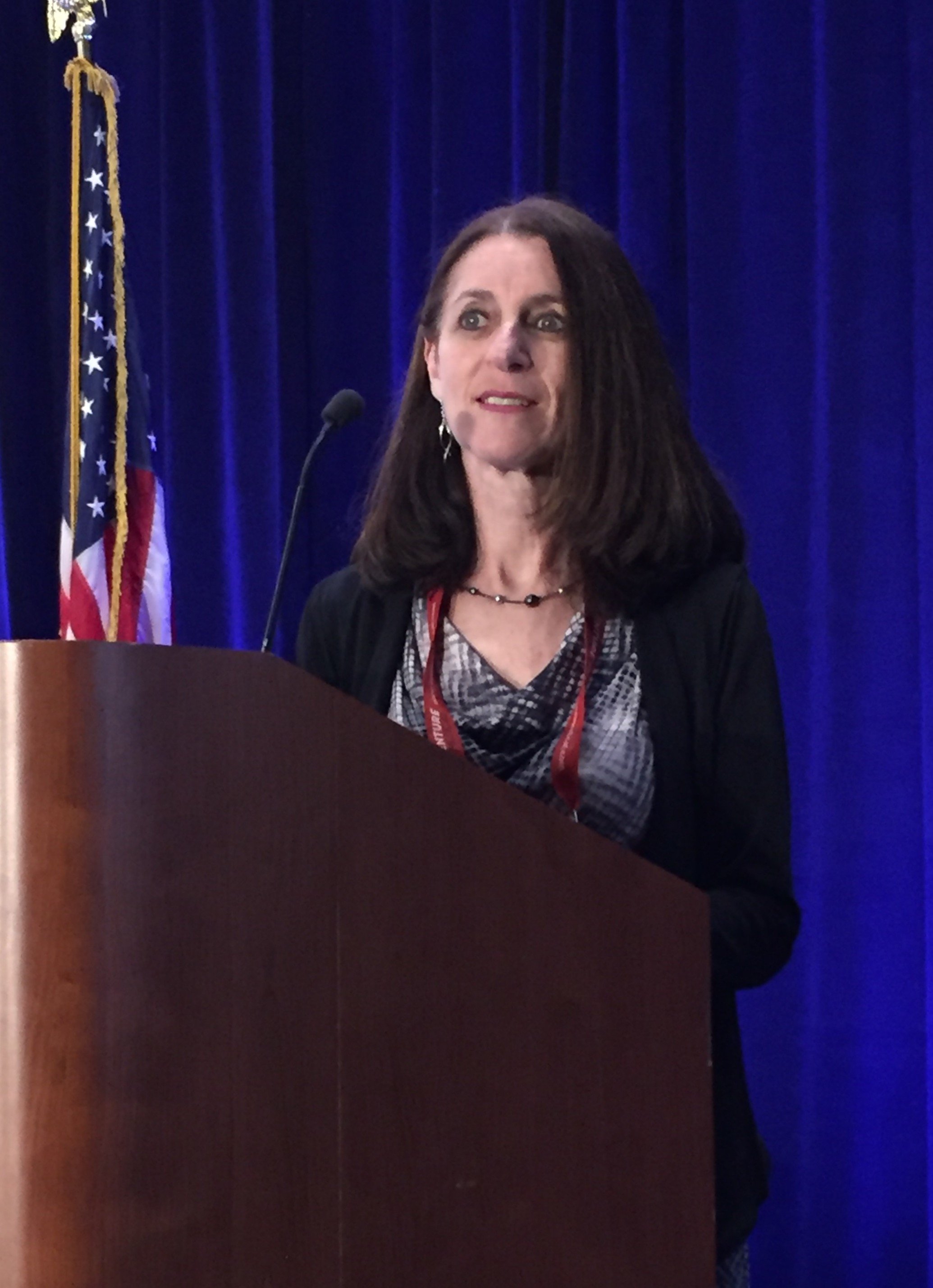
About Phenelle Segal
Phenelle Segal, RN, CIC, FAPIC, is the founder of Infection Control Consulting Services, where she has spent more than 40 years helping hospitals, ambulatory surgery centers, and long-term care facilities build infection prevention programs that hold up under real-world conditions. She previously served as the lead infection prevention analyst for the Pennsylvania Patient Safety Authority, where she helped develop and implement Act 52 of 2007.