
Infection Prevention Tip: Breaking Down Endoscope Bioburden

Scope cleaning.jpg

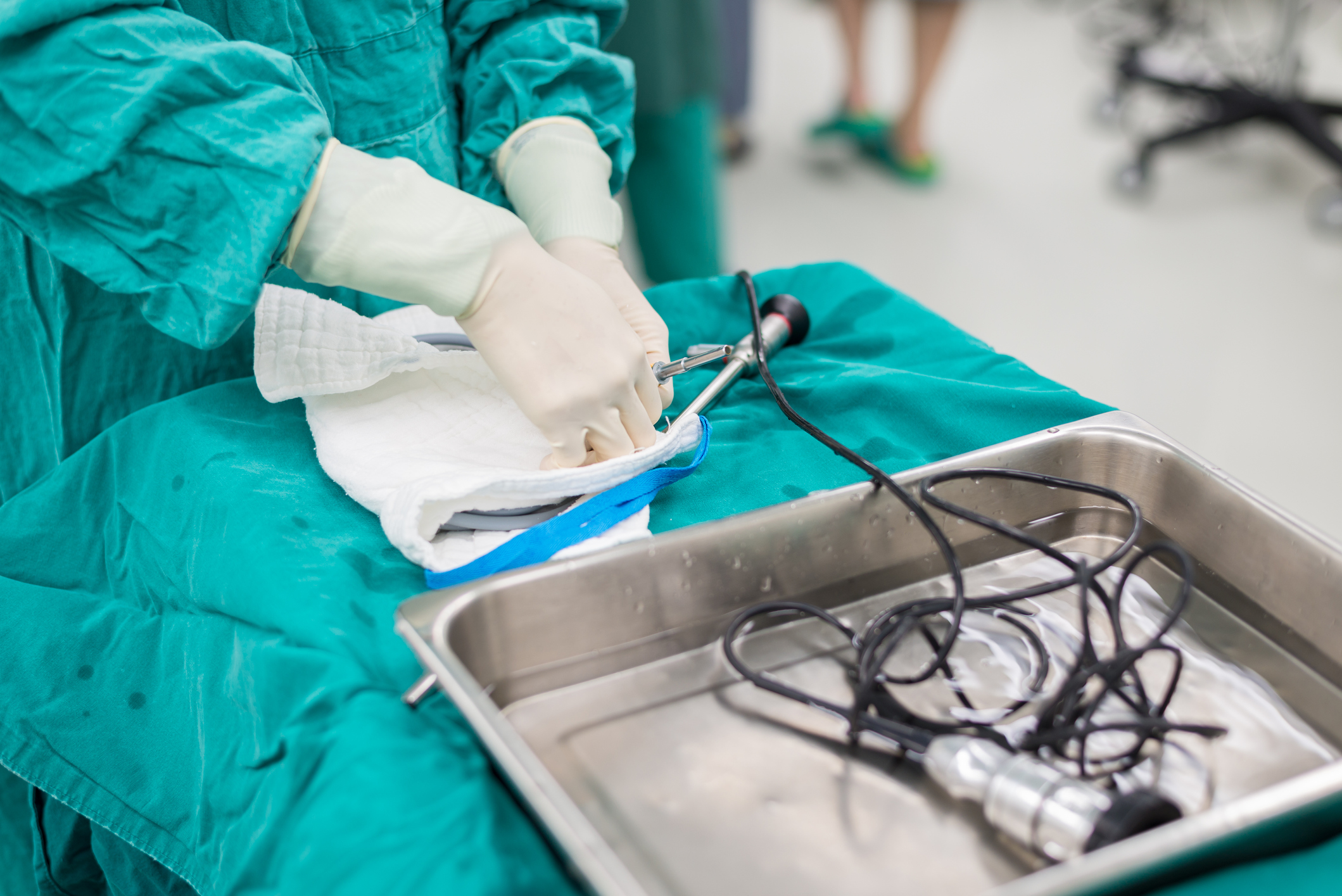
The Infection Control Consulting Services (ICCS) team has become aware of companies that develop endoscope reprocessors incorporating a "modified manual cleaning" process that "allows for quicker and easier reprocessing, automating over half of the manual cleaning steps, including flushing of the endoscope channels."

In reviewing the instructions for use (IFUs) of a company with the "automated modified manual cleaning" option, this process should not replace or provide a "shortcut" for a full manual cleaning. ICCS strongly advises organizations to continue performing a complete, manual cleaning of every scope, especially when this step is highlighted in the endoscope manufacturer’s IFUs and other reprocessing standards.

Facilities must follow IFUs developed by the scope manufacturers, scope reprocessor equipment manufacturers and manufacturers of cleaning and high-level disinfection (HLD) products. In addition, standards and recommendations of nationally recognized organizations, associations and agencies, if selected by the facilities, must be taken into consideration.

For example, the Centers for Disease Control and Prevention (CDC) through the Healthcare Infection Control Practices Advisory Committee (HICPAC) released recommendations in 2016 with an update in 2017 titled "Essential Elements of a Reprocessing Program for Flexible Endoscopes." Its recommendations include the following: "Manual cleaning is the most critical step in the disinfection process since residual organic material can reduce the effectiveness of HLD and sterilization."

AORN, SGNA and AAMI provide standards for reprocessing scopes, which also include manual cleaning in their guidance.

ICCS advises facilities to perform scope cleaning verification as another critical step in assuring reprocessing effectiveness. There are several verification methods and products available to assist facilities with the goal of effective reprocessing of scopes.

Study: Educating Cleaning Staff Lowers Risk of C. Diff Infection

Cleaning spray.jpg

The results of a study show that better educating environmental services workers leads to an improvement in surface cleaning and decrease in hospital-onset C. difficile infection (CDI).

The study, titled "Sustained improvement in hospital cleaning associated with a novel education and culture change program for environmental services workers" and published in Infection Control & Hospital Epidemiology, was conducted across multiple hospitals. It involved more than 350 frontline service workers participating in educational programs.

The programs combined education techniques, such as videos, demonstrations and role-playing, to cover a wide range of topics, including hand hygiene, isolation precautions, personal protective equipment, cleaning protocols and barriers to cleaning.

Researchers evaluated the effects of the education on workers' performance in cleaning individual high-touch surfaces. The results showed that the frequency of cleaning such surfaces in occupied rooms increased from 26% to 62%, with improvement sustained for a year following the education.

Furthermore, a significant decrease in CDI was associated with the program.

Septic Arthritis Outbreak Linked to Infection Prevention Violations

Knee Injection.jpg

An investigation into an outbreak of septic arthritis at an outpatient facility in New Jersey identified multiple breaches of recommended infection prevention practices.

The results of the investigation were published in Infection Control & Hospital Epidemiology (ICHE), the journal for the Society for Healthcare Epidemiology of America (SHEA).

As the ICHE article — "Bacterial septic arthritis infections associated with intra-articular injection practices for osteoarthritis knee pain—New Jersey, 2017" — notes, the N.J. Department of Health received reports of multiple patients who developed septic arthritis following intra-articular injections for osteoarthritis knee pain provided at the same private outpatient facility.

An infection prevention assessment of the facility's practices found 41 patients with septic arthritis associated with intra-articular injections and identified "multiple breaches of recommended infection prevention practices, including inadequate hand hygiene, unsafe injection practices and poor cleaning and disinfection practices."

A SHEA news release notes that of the 41 patients identified, 33 required surgical removal of damaged tissue.

The outbreak was costly, with the release noting that for just 31 affected Medicare patients, charges claimed for treatment surpassed $5 million.

The outpatient facility, which voluntarily stopped performing procedures following the initial septic arthritis reports as well as complaints, was advised by state officials to follow recommendations in the Centers for Disease Control and Prevention’s 2016 Guide to Infection Prevention for Outpatient Settings: Minimum Expectations for Safe Care. It was also recommended that the facility work with an infection prevention consultant on improvements. No additional cases were identified after infection prevention recommendations were implemented.